6 ways to prevent falls
by Sheila Despres
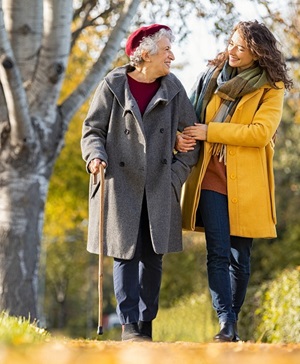
A fall can happen to anyone, regardless of health, age, or fitness level. However, for older adults and those who need caregiving, the risk of falling is higher because of changes in balance, strength, and vision, as well as chronic conditions.
Having a fall can cause serious injury that can lead to a loss of mobility and a greater need for help. When you’re a caregiver, an ounce of fall prevention can go a long way.
Factors that can lead to falls
Falls are often caused by a combination of factors rather than just 1 thing. Here are signs of fall risk to watch for and underlying issues that may cause them:
Dizziness and lightheadedness, which can be caused by:
- Blood pressure that drops when standing up (called orthostatic hypotension)
- Heart and blood vessel conditions that affect blood flow and blood pressure
- Medication side effects
- Taking multiple medications, which can increase the likelihood of side effects
- Dehydration
Unsteadiness and trouble with balance, which can be caused by:
- Age-related changes in eyesight, hearing, and reflexes
- Diabetes, which can affect nerves in the feet and legs
- Painful foot problems, such as calluses, bunions, or hammertoes, and arthritis in the foot and ankle
- Loss of muscle mass and strength (called sarcopenia), which can make it hard to walk, stand, or recover from stumbling
Inability to move safely within the home, which can be caused by:
- Poor vision and impaired hearing
- Cognitive issues and dementia, which affect memory and judgment
- Inadequate lighting
- Urinary incontinence, which can make someone rush to get to the bathroom (especially at night)
- Medication side effects that can cause confusion
How to help prevent falls
Preventing falls is an important way to protect your loved one’s overall health and level of independence. Here are 6 things you can do to help keep your loved one from falling:
- Encourage regular physical activity. This will help improve muscle strength, coordination, and balance. The Massachusetts Councils on Aging can direct you to balance and exercise programs in Massachusetts. Or check with the National Council on Aging for falls prevention programs in other states.
- Talk to your loved one’s health care provider about:
- Any changes you’ve seen in your loved one’s mobility, balance, alertness, or awareness of their environment
- Any falls or near-falls, even if your loved one wasn’t injured
- A fall-risk assessment
- Medications that may be causing side effects
- Make sure vision and hearing are checked annually, and that prescription eyewear and hearing aids are up to date.
- Help your loved one follow treatment plans for any existing health problems and manage any new health issues that may arise.
- Improve home safety:
- Remove tripping hazards, increase lighting, and install handrails and grab bars. (Read Making changes at home to prevent falls for more tips.)
- Consider having your loved one use a wearable alarm device that calls for help in the case of a fall.
- Make sure assistive devices, such as canes or walkers, are sturdy and easily accessible.
- Arrange for family or friends to check on your loved one regularly, either by phone or in person.
- Encourage use of footwear that fits well and has support, good traction, laces or straps, low heels, and soles that aren’t too thick.
Bonus tip
Another important issue to keep in mind is your loved one’s bone health. If they have low bone density (called osteopenia) or osteoporosis—a disease that substantially weakens bones—they may be more likely to break a bone if they fall. In addition to doing regular, safe exercise, make sure your loved one is getting enough vitamin D and calcium, which support bone health.
By taking these steps, you can help make your loved one safer—and help them feel more confident. The fear of falling often leads people to limit their activity, which decreases their strength and increases the likelihood of falling. And in reducing your loved one’s fall risk, you’re helping to prevent injuries, improve their health and mobility, and support a better quality of life.
Sheila Despres is a physical therapist and Site Director for the Leominster, Mass., location of Fallon Health’s Summit ElderCare—a Program of All-Inclusive Care for the Elderly (PACE) that provides medical care, insurance coverage, home assistance, adult day health services, and social support to adults age 55+ so that they can remain living in their homes.
Originally posted: September 2020
Last updated: August 2026