Helping your loved one stay involved in activities they enjoy
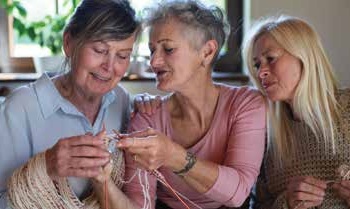
As a caregiver, your loved one’s health and safety are your priority, and so is helping them with everyday tasks. It’s easy for these things to be your focus, because they’re vital for your loved one’s overall well-being. It’s important to remember, though, that helping them do the things they enjoy is also essential to their quality of life.
Why leisure activities matter
Gardening, painting, woodworking, dancing, sewing, playing an instrument, tai chi, cooking, photography, volunteering, reading, doing puzzles … Leisure activities like these (and more) are important for physical and mental health as well as emotional well-being because they can:
- Spark creativity
- Reduce stress
- Bring about feelings of joy, satisfaction, autonomy, and accomplishment
- Provide opportunities for social connection, which can reduce feelings of isolation and loneliness
Research shows that people who can stay involved with their favorite hobbies and pastimes tend to feel better emotionally, are more engaged, and have a higher quality of life. So, helping your loved one stay involved with things they enjoy is as important as helping them with their physical and health care needs.
Consider making modifications
Unfortunately, the physical and/or cognitive changes your loved one is experiencing may make it harder for them to take part in their favorite pastimes. According to organizations like the National Institutes of Health and the Alzheimer’s Association, making modifications that suit a person’s abilities can help them stay engaged with their favorite leisure activities.
Hobbies
If your loved one has a favorite hobby, there may be ways you can help them keep at it.
- Focus on what your loved one can do now and adjust accordingly. For example, if holding tools for arts and crafts hobbies has become hard to do, find similar tools with larger or adaptive grips.
- Adjust their workspace. Consider improving the lighting, reducing noise, and raising/lowering seating and work surfaces.
- Simplify steps instead of focusing on an entire project. This can make a project feel more manageable, and reduce frustration and feelings of disappointment.
- Change tasks to fit abilities. For example, watering in the garden instead of weeding, or preparing ingredients for a recipe instead of cooking the entire dish.
- Offer support, then step back. This will help your loved one maintain a sense of independence.
- Remind your loved one that the joy is in the doing.
Going out
For someone with dementia, vision or hearing impairment, or another physical or cognitive condition, going out may not be the experience it once was. Whether it’s going out to dinner, to a movie or play, or to a museum, there are steps you can take to make it less overwhelming for your loved one, which can help make the experience more enjoyable for everyone.
- Call ahead and ask if an accommodation can be made.
- Explain what type of accommodation would help, such as seating in a quiet area, near an aisle, or close to a restroom.
- Ask if the restaurant or venue has staff trained to interact with people with physical and cognitive limitations.
Fun in the sun
For outdoors-y types who have limited mobility, fun in the sun doesn’t have to be a thing of the past. In Massachusetts, several state parks have paved rail trails and accessibly designed hiking trails. There are also Massachusetts state parks that have accessible coastal and freshwater beaches, with some offering beach wheelchairs—including models designed to cross the beach and either be parked for sunbathing or float in the water. Remember to apply sunscreen before any outdoor adventure.
When modifications can't be made
Sometimes an activity can’t be changed enough that your loved one can continue to do it, even with support. But it may be possible to keep parts of the activity in their life. For example:
- Someone who was into outdoor photography may like taking and sharing pictures of houseplants or arrangements of cut flowers.
- For people who love to go birding but can no longer get outside easily, a window with a view of a birdfeeder and a garden could be a solution.
- Those who've regularly hosted holidays or family gatherings may be able to help plan a dinner menu, create the grocery list, or share tips on how to prepare a particular dish or dessert.
Creating a memory box can also help. For those experiencing advanced memory issues, research shows that memory boxes can trigger positive thoughts and memories, improve communication, and decrease agitation.
For someone with physical limitations, a memory box can help them stay engaged with their favorite pastimes emotionally through photos and keepsakes. A memory box is also a great tool to spark conversations and storytelling, giving your loved one opportunities to stay connected to an important part of themselves.
Consider making a personalized memory box for your loved one—a great project that you can do together. The contents can include tools they used, projects they completed, or photos of them engaging in their favorite activity.
Whether their challenges are physical, cognitive, or both, your loved one can stay involved in activities they love. Helping them do this is just one more way you’ll be providing the care you know they deserve.
Originally posted: April 2026
More...
Activities
Dementia/memory issues
Get more tips
Subscribe to the Caregiver Connection, and we will send you an email when a new article has been posted.
SUBSCRIBE
Take the next step
Our customized care programs focus on keeping older adults at home while also supporting you, the caregiver.
LEARN MORE